
- Mail: neuroclinic4u@gmail.com
- Emergency Help: +91 6364 249 996
Spasticity Surgery
Spasticity is a condition in which muscles stiffen or tighten, preventing normal fluid movement. The muscles remain contracted and resist being stretched, thus affecting movement, speech and gait.
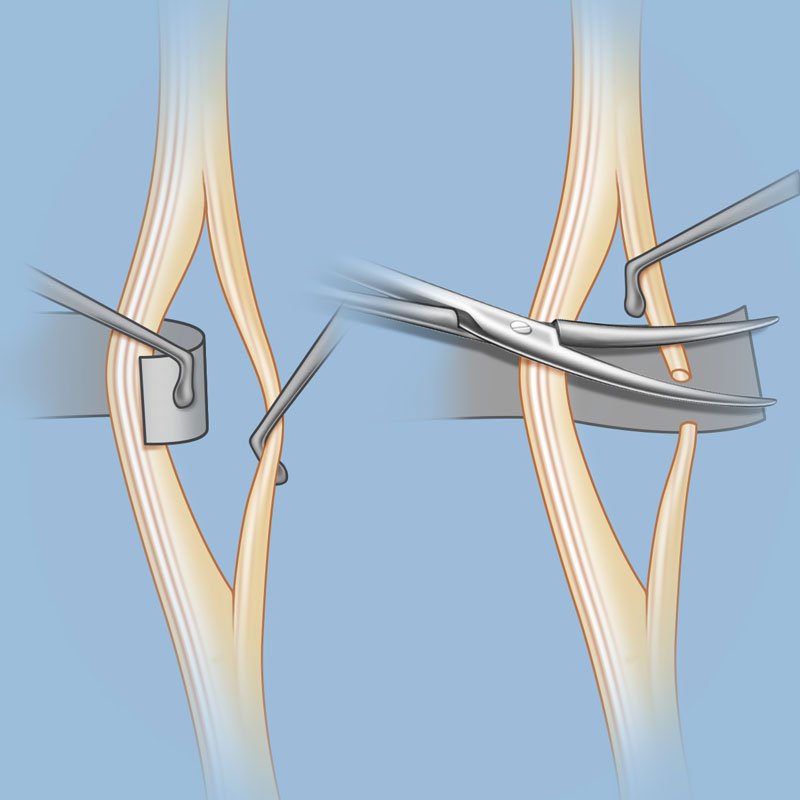
Neurological surgeries include a procedure called selective dorsal rhizotomy, in which the damaged nerves carrying sensory information from the spastic limbs are cut where they enter from the spinal cord. Healthy nerves are left intact. This procedure is often used in children with mild cerebral palsy and has been shown to improve leg function and the ability to walk independently.
Another effective surgery is the implantation of a pump and a catheter to deliver liquid medication to the fluid around the spinal cord. This treatment option, called intrathecal baclofen therapy, uses a pump under the skin to deliver a steady, constant flow of baclofen, which is a medicine that can help relieve spasticity. Surgery to implant the pump and catheter requires only a short hospital stay followed up by doctor visits to monitor the dosage.
Causes
Spasticity is generally caused by damage or disruption to the area of the brain and spinal cord that are responsible for controlling muscle and stretch reflexes. These disruptions can be due to an imbalance in the inhibitory and excitatory signals sent to the muscles, causing them to lock in place. Spasticity can be harmful to growing children as it can affect muscles and joints. People with brain injury, spinal cord injury, cerebral palsy or multiple sclerosis can have varying degrees of spasticity.