
- Mail: neuroclinic4u@gmail.com
- Emergency Help: +91 6364 249 996
Brain Infection
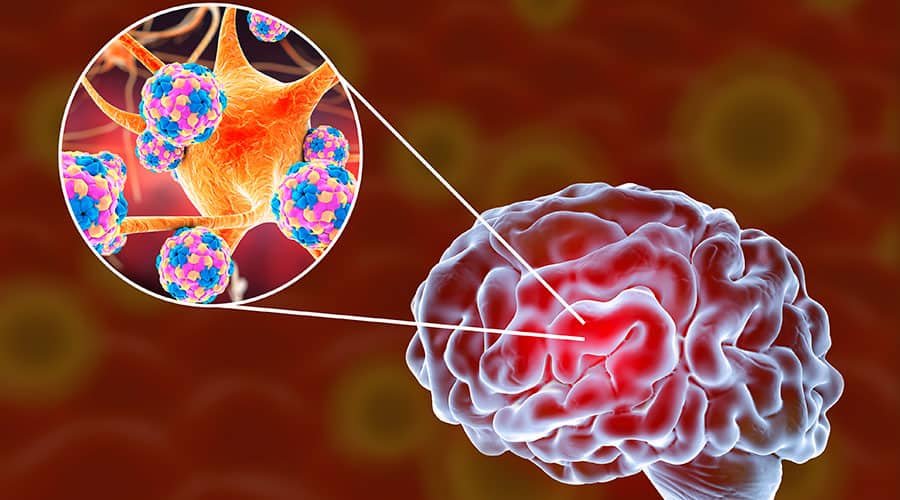
A brain infection refers to an infection caused by viruses, bacteria, fungi, or parasites that affects the brain, spinal cord, or the surrounding area. Brain infections are serious and can be life-threatening. Infections and conditions affecting the brain and spinal cord can activate the immune system, leading to inflammation. These diseases and the resulting inflammation can produce a wide range of symptoms, including fever, headache, seizures, and changes in behavior or confusion. In extreme cases, they can result in brain damage, stroke, or even death. There are different types of brain infections, and each type has its own unique cause and treatment. Encephalitis refers to inflammation in the brain, and meningitis is inflammation of the meninges, the membranes that surround the spinal cord. Myelitis refers to inflammation of the spinal cord, and a brain abscess describes a collection of pus in the brain. Infections of the brain require emergency treatment.
Causes
There are several types of causes of brain infections, and each one has its own transmission route. Viruses may be spread through close contact or respiratory secretions, such as sharing drinking glasses or kissing. Bacterial infections can also be spread through close contact or contaminated food preparation.
Here's a breakdown of all possible causes of brain infections:
Virus: While rare, several viruses can lead to an infection of the brain, spinal cord, or surrounding area. Possible causes include the herpes simplex virus, varicella zoster virus, cytomegalovirus, Epstein-Barr virus, and influenza viruses. Mosquito-borne illnesses like West Nile and Zika may also lead to a brain infection.
Bacteria: The bacteria most likely to lead to a bacterial brain infection in the United States include Streptococcus pneumoniae, group B Streptococcus, Neisseria meningitidis, Haemophilus influenzae ,and Listeria monocytogenes.
Fungus: A fungal infection that spreads to the brain may be caused by the Aspergillus, Blastomyces, Coccidioides, or Cryptococcus fungus.
Parasite: A parasitic infection in the brain may be caused by toxoplasmosis, cysticercosis, schistosomiasis, or strongyloides.
Immune system disorders: If you have a compromised immune system for any reason, you may be more at risk of experiencing a brain infection. People with an HIV infection are more at risk of rare infections such as a brain abscess. Multiple sclerosis may also lead to myelitis.