
- Mail: neuroclinic4u@gmail.com
- Emergency Help: +91 6364 249 996
Tumor Surgery
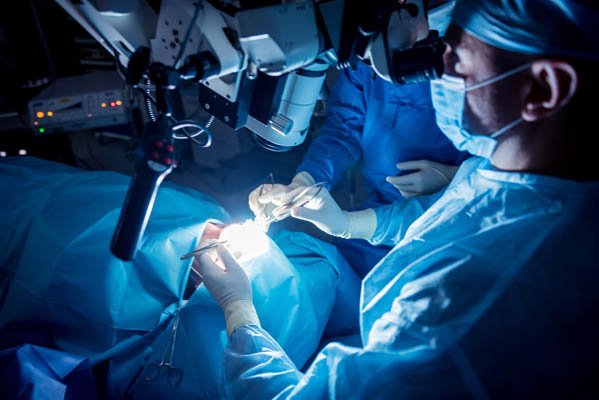
Neurosurgery is surgery performed on parts of the nervous system, including the brain and spinal cord, peripheral nerves, such those found in the hands and feet, and the extra-cranial cerebrovascular system. Neurosurgery may be a treatment option for:
- Primary or metastatic brain tumors
- Primary or metastatic spinal tumors
- Tumors near the spinal column or peripheral nerves
- Neurologic problems resulting from other cancers or treatments
- Neurosurgeons may also treat back and neck pain, epilepsy, stroke, sciatica, herniated discs, pinched nerves and chronic pain.
- Neurosurgeons use a variety of diagnostic tests, such as angiograms, MRIs and ultrasounds, to help identify the specific nature of neurological conditions, diseases or injuries. The results of these tests may help in planning an appropriate course of treatment.
A neurosurgeon may work with other doctors and clinicians, including radiation oncologists, medical oncologists, pathologists, psychologists, rehabilitation therapists and others across a variety of disciplines.
Surgical procedures
In many cases, neurosurgeons are able to use minimally invasive surgical techniques and 3-D technology to take diagnostic images of the spine or brain for an extra layer of safety and accuracy.
Spinal tumors can be extradural, meaning they are located outside the dura, the sac that holds the spinal cord and fluid, or intradural, inside the dura. The two types of intradural tumors are:
- Extramedullary tumors, found inside the dura, but not in the spinal cord
- Intramedullary tumors, found in the spinal cord
When performing minimally invasive spinal surgery, a neurosurgeon may be able to use small incisions and tubes to remove the tumor with fewer impacts on muscle tissue. This technique may help reduce pain and speed up recovery, while allowing the neurosurgeon to decompress the nerves of the spinal cord and access hard-to-reach tumors in and around the spinal cord.
A variety of sophisticated tools also enhances the precision and safety of brain cancer surgery and may allow doctors to remove tumors that may otherwise have been inoperable, while preserving neurologic function. These tools include:
- Intraoperative neuronavigation uses an advanced MRI system to map areas of the brain responsible for important functions. The map then allows us to precisely plan surgery to help avoid damage to those important areas.
- Intraoperative electrophysiology “brain mapping” (also called motor mapping and language mapping) is like GPS for the brain. We use small electrodes placed on the outer layer of the brain to stimulate the brain and areas around the tumor. This helps us locate regions of the brain to avoid, such as those responsible for speech or movement.